


Hotel San Vito Lo Capo
Mozia and the Stagnone Islands
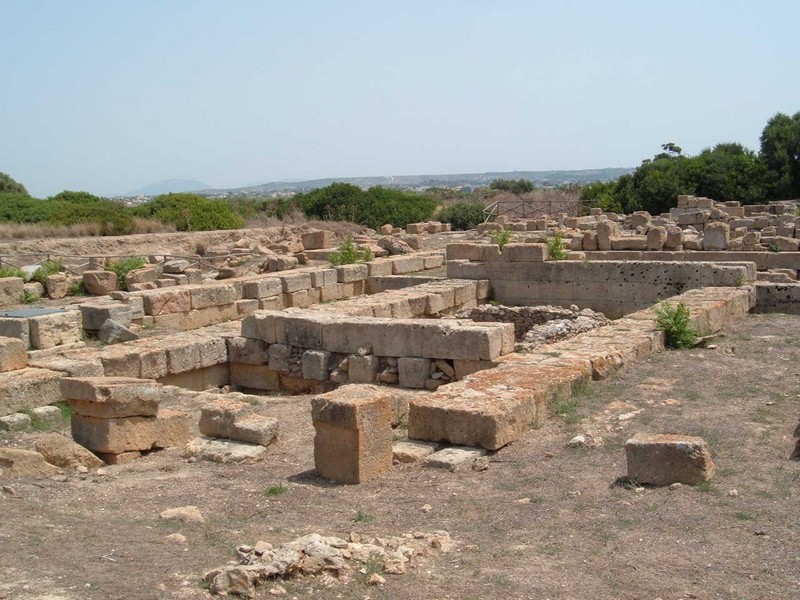
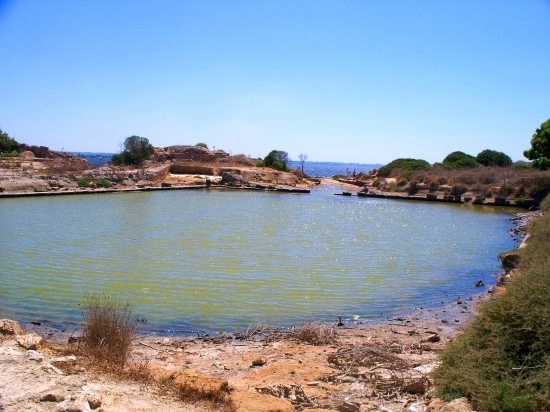
The island was founded by the Phoenicians in the eighth century BC., becoming one of the most important Punic colonies in the Mediterranean.
In 1906, the archaeologist Whitaker began a series of excavations which brought to light numerous finds of great importance such as the thick walls that surrounded the island interspersed with towers and gates, the House of the Amphorae, the House of the Mosaics, the kothon which was used as a dry dock, the sanctuary, the Tophet, a sacred area open to the skies, and the Necropolis.
In the Joseph Whitaker museum, ceramics, glass jars, jewellery, coins and sculptures are kept including the Charioteer of Mozia, represented by a white marble life-size statue depicting a young man dating back to the fifth century B.C.
The island is accessible by boat from a landing stage, and is connected to the coast of Birgi from a submerged road which is still visible today.
Mozia is the most famous of the four islands which go to make up the Stagnone lagoon, today the Oriented Nature Reserve of the Stagnone Islands of Marsala.